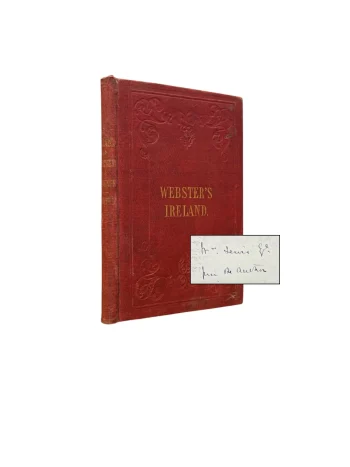
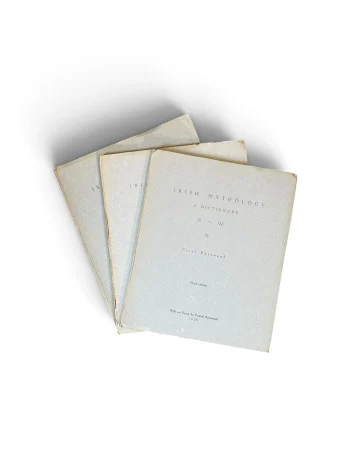
In the realm of book collecting, few things hold as much allure as the pursuit of rare and expensive books. These literary treasures, often steeped in history and enriched by the passage of time, captivate the hearts and minds of collectors, investors, and bibliophiles alike. As a seasoned book dealer, I’ve had the privilege of handling some of the most sought-after volumes in existence. In this article, I’ll delve into the intriguing world of rare books, highlighting what makes them valuable, the key factors that drive their prices, and the stories behind some of the most expensive books ever sold.
Understanding the Value of Rare Books
The value of a rare book is determined by several factors, including its rarity, condition, historical significance, and provenance. Let’s explore each of these elements in detail:
1. Rarity
Rarity is perhaps the most obvious factor that influences a book’s value. A book’s rarity can stem from several aspects: limited print runs, the survival rate of copies, and the presence of unique features such as annotations or bindings. For example, the Gutenberg Bible, printed in the mid-15th century, is one of the rarest books in the world due to its age and the few surviving copies.
2. Condition
The condition of a book significantly impacts its value. Collectors seek books that are well-preserved, with minimal wear and tear. Factors such as the integrity of the binding, the quality of the paper, and the presence of dust jackets play crucial roles. A first edition of a classic novel in pristine condition can fetch a much higher price than a worn copy.
3. Historical Significance
Books that have played a pivotal role in history or culture are highly prized. First editions of seminal works, books that have influenced significant events, or those associated with notable historical figures hold immense value. For instance, a first edition of Charles Darwin’s “On the Origin of Species” is not only rare but also historically significant, making it a coveted item among collectors.
4. Provenance
Provenance, or the history of ownership, can elevate a book’s value. A book that has been owned by a famous individual, or one that has a documented history of notable previous owners, gains a unique cachet. Autographed copies or those with personal inscriptions can also command higher prices due to their added historical and sentimental value.
The Market for Rare Books
The market for rare books is both dynamic and discerning. Collectors come from all walks of life, united by a passion for literary artifacts. Some view rare books as investments, while others are motivated by the sheer joy of owning a piece of history. The following are key players in the rare book market:
1. Private Collectors
Private collectors are the backbone of the rare book market. These individuals often have specific interests, such as collecting first editions, works by a particular author, or books on a certain subject. Their purchases are driven by personal passion and the desire to build comprehensive collections.
2. Libraries and Institutions
Libraries and academic institutions are major buyers of rare books. They acquire these volumes to enhance their collections, support research, and preserve cultural heritage. Institutions like the Library of Congress and the British Library house some of the most extensive rare book collections in the world.
3. Investors
In recent years, rare books have attracted the attention of investors seeking alternative assets. High-profile sales and increasing market demand have highlighted the potential for rare books to appreciate in value over time. Savvy investors carefully select books with historical significance, rarity, and good condition, viewing them as long-term investments.
Notable Sales and Record-Breaking Prices
The allure of rare books is often underscored by record-breaking sales. Here are a few examples of books that have fetched astonishing prices at auction:
1. The Codex Leicester by Leonardo da Vinci
The Codex Leicester, a 72-page notebook filled with Leonardo da Vinci’s scientific writings and sketches, holds the record for the most expensive book ever sold. In 1994, it was purchased by Bill Gates for a staggering $30.8 million. The manuscript offers a rare glimpse into the mind of one of history’s greatest geniuses, making it a priceless artifact.
2. The Gutenberg Bible
The Gutenberg Bible, the first major book printed using movable type, is another highly valuable book. In 1987, a copy sold for $5.4 million. This sale highlighted the immense historical significance and rarity of the Gutenberg Bible, solidifying its status as one of the most important books in the history of printing.
3. Birds of America by John James Audubon
John James Audubon’s “Birds of America” is renowned for its exquisite illustrations and scientific accuracy. A complete first edition of this monumental work was sold at auction for $11.5 million in 2010. The combination of its artistic beauty, scientific value, and rarity makes “Birds of America” a prized possession for collectors.
Tips for Aspiring Rare Book Collectors
For those interested in entering the world of rare book collecting, here are some essential tips:
1. Educate Yourself
Knowledge is key in the rare book market. Familiarize yourself with bibliographic terms, key authors, and significant works. Attend book fairs, join collector societies, and read extensively about the books that interest you. The more you know, the better equipped you’ll be to make informed decisions.
2. Start Small
It’s wise to begin your collection with modest purchases. Look for books that fit your budget and gradually build your collection. As you gain experience and confidence, you can move on to more significant acquisitions.
3. Focus on Quality
Always prioritize quality over quantity. A few well-chosen, high-quality books are more valuable and satisfying than a large collection of mediocre items. Pay attention to the condition, provenance, and significance of each book you acquire.
4. Network with Dealers and Collectors
Building relationships with reputable book dealers and fellow collectors can provide invaluable insights and opportunities. Attend book fairs, auctions, and collector gatherings to expand your network and learn from experienced individuals in the field.
5. Document and Preserve
Maintain detailed records of your acquisitions, including purchase receipts, provenance information, and condition reports. Proper storage and preservation techniques are essential to protect your investment and ensure the longevity of your collection.
The Role of Technology in the Rare Book Market
Technology has transformed the rare book market, making it more accessible and transparent. Online platforms and auction houses have expanded the reach of dealers and collectors, facilitating global transactions. Here are some ways technology has impacted the market:
1. Online Marketplaces
Websites like AbeBooks, Biblio, and eBay have made it easier for collectors to find rare books from dealers worldwide. These platforms provide a vast selection of books, often with detailed descriptions and photographs, allowing buyers to make informed decisions.
2. Digital Catalogs
Many rare book dealers now offer digital catalogs, showcasing their inventory online. These catalogs often include high-resolution images and comprehensive descriptions, making it easier for collectors to browse and evaluate potential purchases.
3. Virtual Auctions
Auction houses like Sotheby’s and Christie’s have embraced virtual auctions, allowing bidders to participate from anywhere in the world. These events are often livestreamed, providing a real-time, immersive experience for buyers and sellers.
4. Provenance Databases
Digital provenance databases have become valuable tools for verifying the authenticity and history of rare books. These databases compile information from various sources, helping collectors and dealers establish the legitimacy of a book’s provenance.
Challenges and Considerations in the Rare Book Market
While the world of rare books is undoubtedly fascinating, it is not without its challenges. Aspiring collectors and dealers should be aware of the following considerations:
1. Authenticity and Forgery
The rarity and value of certain books make them targets for forgery. Counterfeit copies, fake signatures, and altered bindings can deceive even experienced collectors. It’s crucial to verify the authenticity of a book through reputable dealers, expert appraisals, and provenance research.
2. Market Volatility
Like any investment, the rare book market can be subject to fluctuations. Economic conditions, changes in collector preferences, and the discovery of new copies can impact book values. While many rare books appreciate over time, there are no guarantees, and market trends should be carefully monitored.
3. Preservation Challenges
Rare books are often fragile and require meticulous care. Environmental factors such as temperature, humidity, and light can affect their condition. Collectors must invest in proper storage solutions and handling techniques to preserve their books for future generations.
Conclusion: The Timeless Appeal of Rare Books
The world of expensive rare books is a captivating blend of history, art, and commerce. As a book dealer, I’ve witnessed the passion and dedication that collectors bring to their pursuits. The allure of owning a piece of literary history, combined with the potential for financial appreciation, makes rare books a unique and rewarding investment.
Whether you’re a seasoned collector or just beginning your journey, the rare book market offers endless opportunities for discovery and enrichment. By understanding the factors that drive book values, building relationships within the community, and staying informed about market trends, you can navigate this fascinating world with confidence and enthusiasm.
In the end, the true value of rare books goes beyond their price tags. These treasures connect us to the past, inspire our imaginations, and remind us of the enduring power of the written word. As long as there are people who cherish the beauty and significance of books, the market for rare and expensive volumes will continue to thrive, preserving our literary heritage for generations to come.